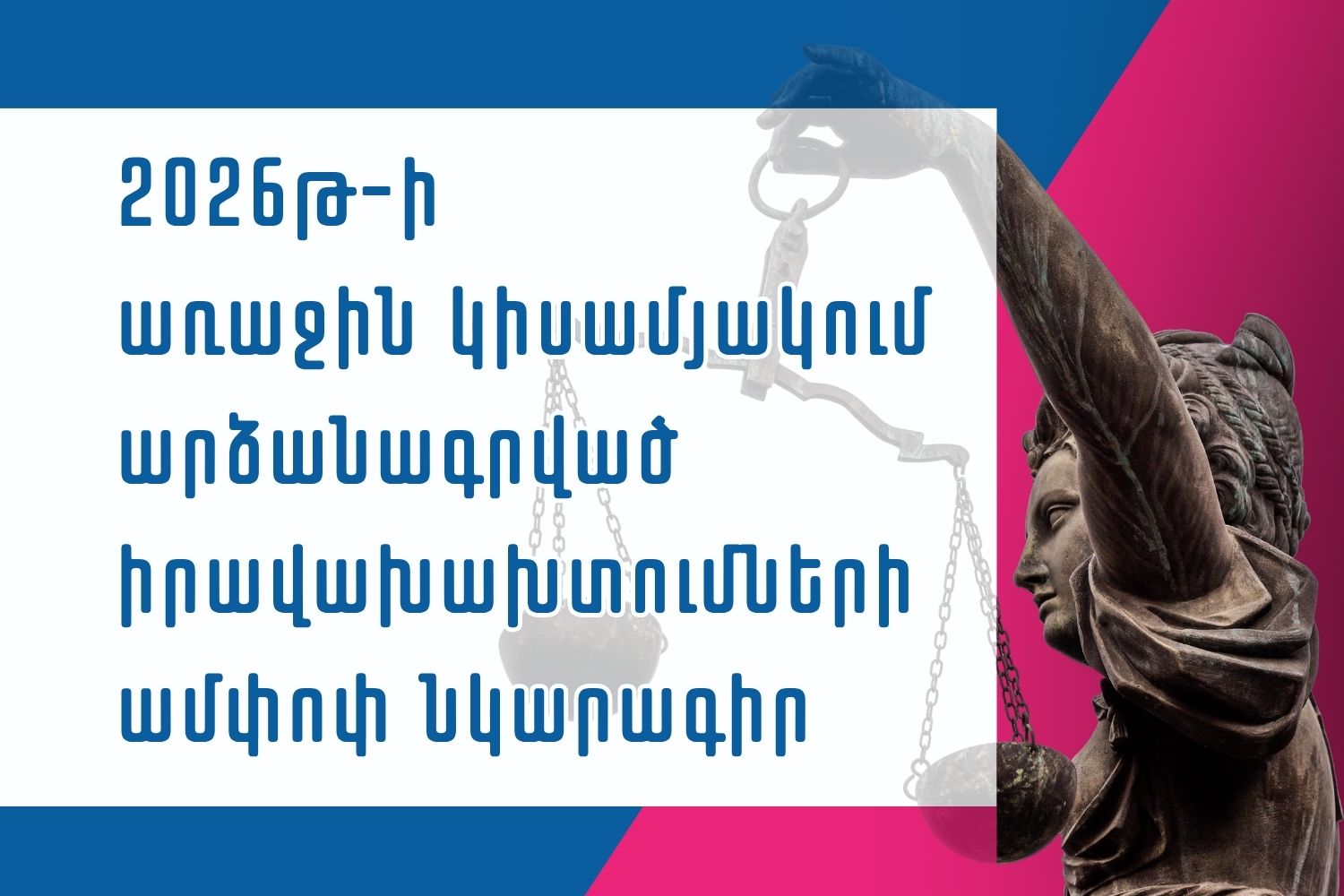

The Human Rights Watch 2026 new report confirms that no meaningful progress has been recorded in protecting lesbian, gay, bisexual, and transgender (LGBT) people in Armenia. Despite repeated calls from civil society and international bodies, LGBT people in Armenia remain vulnerable, unprotected, and subject to widespread discrimination across state institutions, including law enforcement, education, and healthcare.
These institutional deficiencies reflect a broader culture of discrimination and stigma, where the state’s failure to protect LGBT people in law and practice leaves them marginalized and without clear channels for redress.
The report details that discrimination and police inaction or abuse continue to deter many LGBT individuals from reporting hate crimes. Even when complaints are filed, investigations are often ineffective or superficial, and charges rarely reflect homophobic or transphobic motives. Armenia’s criminal code does not recognize sexual orientation or gender identity as aggravating factors in crimes, making it harder for law enforcement to treat bias-motivated attacks as hate crimes.
Local human rights groups reported documented cases, including physical violence, psychological abuse, extortion, threats, and forced conversion practices against LGBT people, including minors. Some abuses have occurred with law enforcement involvement or indifference, underscoring structural discrimination within state institutions.
An absence in Armenia’s human rights framework is the lack of comprehensive anti-discrimination legislation that specifically protects people on the basis of sexual orientation and gender identity.
While civil society groups continue to advocate for comprehensive reforms, the absence of adoption of a proper anti-discrimination law and the rejection of key civil society recommendations in the draft legislation signal a lack of political will. In this environment, LGBT individuals remain exposed to discrimination, unprotected by law, and deeply vulnerable to abuse in multiple areas of public life.