
Human rights situation of LGBT+ people in Armenia remains a source of concern: annual report
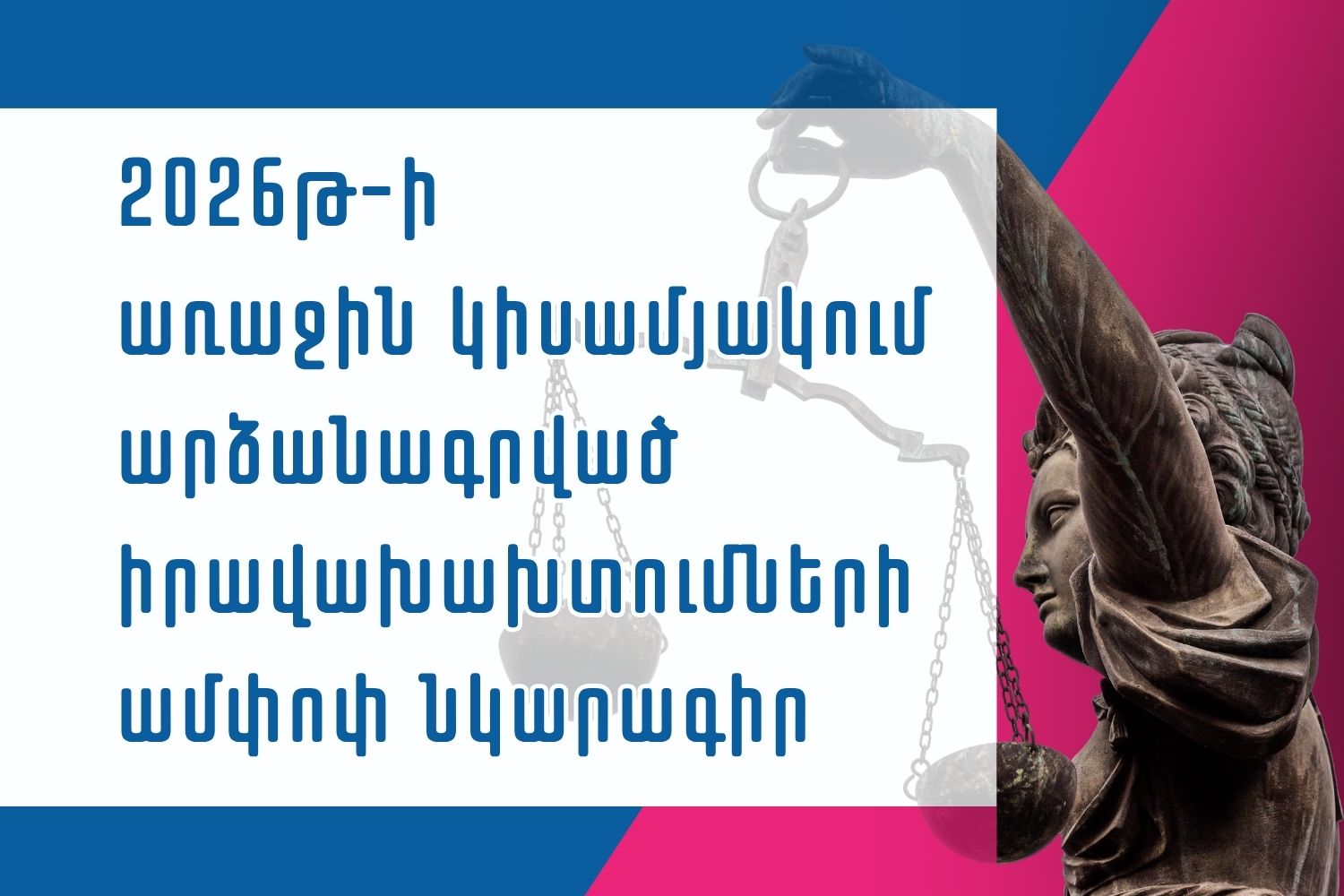
Pink Human Rights Defender NGO has released its annual report on the human rights situation of LGBT+ people in Armenia. Over the course of 2025, the organisation’s social workers and lawyers received 402 requests for assistance, from which 56 cases of rights violations were identified and documented in detail and all of them accompanied by discrimination on the grounds of sexual orientation or gender identity.
Domestic violence continues to dominate
Of the 56 documented cases, 30 involve domestic violence. Twenty of these were perpetrated against adults, most often by parents, five against minors, and a further five constitute intimate partner violence. Victims were subjected to psychological, physical, and economic abuse, ranging up to expulsion from home and restriction of freedom of movement. In a number of cases, family members attempted to “correct” the person’s sexual orientation or gender identity through psychological pressure, fortune-tellers, or other non-professional methods that may qualify as inhuman treatment.
Other documented violations include 7 cases of physical violence, 2 of sexual assault, 1 of extortion, and numerous incidents of psychological abuse and threats, along with three labour-rights violations in which victims were denied employment or dismissed solely because of their identity.
Few turn to the police
One of the report’s most troubling findings is that, of the 56 cases, victims approached law enforcement in only 8. This is the lowest figure recorded in recent years. The organisation points to three principal drivers of mistrust in the law-enforcement system: persistent discriminatory treatment and mockery by police, ineffective investigation of cases, and the absence of any mechanisms to prevent further violence.
In one documented case, a man who had beaten a trans woman continued to direct discriminatory insults at her inside the police station, in the presence of the investigator. In another, a person detained on suspicion of drug possession was ordered to open his social-media accounts; upon learning his sexual orientation, officers began making derogatory remarks.
Hate speech, including from public officials
In March 2025, Vardan Ghukasyan, a candidate for mayor of Gyumri, declared at a press conference that he was ready to “shoot inside the church” any priest who would dare officiate a same-sex marriage, and called on the public to support him with the promise: “you’ll see what I bring down on the heads of the LGTB.” Despite reports filed by three human rights organisations, the investigative authority concluded that the statement contained no incitement to violence or propaganda of it. Ghukasyan was subsequently elected mayor and has continued to make discriminatory statements, with no response from state authorities.
International rulings and ongoing advocacy
In January 2025, the European Court of Human Rights, in Minasyan and Others v. Armenia, found that Armenia had violated the rights of 14 applicants to private life and to non-discrimination by failing to provide effective protection against a 2014 publication in the Iravunq newspaper, which had compiled a “blacklist of enemies of the nation” naming LGBT+ activists and allies. The judgment obliges the state to take concrete steps toward establishing effective protection mechanisms against hate speech.
At the United Nations’ fourth-cycle Universal Periodic Review, recommendations to Armenia concerning the rights of LGBT+ people reached 24, submitted by 22 states. Yet the draft anti-discrimination law, under discussion for over a decade, has still not reached the National Assembly, and continues to omit sexual orientation and gender identity from the list of protected characteristics.
Recommendations
Pink NGO calls on state bodies to adopt a comprehensive anti-discrimination law, to apply hate motivation as an aggravating circumstance in practice, to introduce mandatory training for law-enforcement officers, and to refrain from instrumentalising LGBT+ issues in political competition. The organisation urges media outlets to avoid publications that incite hatred, and calls on international institutions to strengthen monitoring of Armenia’s compliance with its commitments.
You can read the full report and all the recommendations here.